Autumn holidays in Germany in September, October, and November
German holidays in autumn: public, traditional, and religious holidays with dates for 2025, 2026, 2027.
Many holidays in Germany have moving dates that change every year, so the exact dates should be checked separately for each year. In the tables below, you will find the dates and brief descriptions of each holiday. Lists of public holidays in Germany and the school holiday schedule are available on separate pages.
Autumn holiday dates in Germany
Autumn holidays in Germany in September 2026
| Date | Holiday name | Name in German |
|---|---|---|
| 8 September (Tue) | Nativity of the Blessed Virgin | Mariä Geburt |
| A Catholic feast on the occasion of the birth of Mary, mother of Christ. In some churches in the days to follow evening pilgrimage processions with lanterns take place. | ||
| 19 September (Sat) | Oktoberfest, opening | Oktoberfest (Beginn) |
| The world’s largest folk festival, held in Munich (Bavaria), lasting two weeks or more. A huge amount of specially brewed beer is consumed. | ||
| 20 September (Sun) | Universal Children's Day | Weltkindertag |
| The UN Children's Day, proposed to improve the rights and situation of children in the world. In Germany, it is held annually on September 20. On this day, festivities are organized for children. Lectures on the problems of children in the world are held in schools that day, schoolchildren collect money for poor kids, write notes with wishes. | ||
| 29 September (Tue) | Saint Michael the Archangel Feast Day | Michaelistag |
| A church holiday in honor of Saint Michael the Archangel. On this day, special Saint Mikhail bread is traditionally baked. | ||
Autumn holidays in Germany in October 2026
| Date | Holiday name | Name in German |
|---|---|---|
| 3 October (Sat) | German Unity Day | Tag der Deutschen Einheit |
| The German Unity Day is celebrated in connection with the unification of East and West Germany in 1990. | ||
| 4 October (Sun) | Harvest Feast | Erntedankfest |
| A thanksgiving for the harvest. Church services are held, and fruit and vegetables may be shared. In many places there are celebrations with music, dancing and parades decorated with grain, fruit and vegetables. Girls may wear crowns or wreaths made from ears of wheat. In some towns there is also a potato harvest festival (Kartoffelfest), with fairs, concerts and potato dishes. | ||
| 31 October (Sat) | Reformation Day | Reformationstag |
| The anniversary of the European church reformation beginning, the day when Martin Luther nailed his 95 Theses criticizing Catholicism to the door of the church in Wittenberg. | ||
| 31 October (Sat) | Halloween | Halloween |
| An ancient Celtic holiday celebrated on the night of October 31 to November 1. The traditions of the holiday are associated with the belief in spirits. For the holiday, pumpkin lanterns are made, people dress up in monster costumes. Children dress up in costumes and go from house to house, begging for sweets. | ||
Autumn holidays in Germany in November 2026
| Date | Holiday name | Name in German |
|---|---|---|
| 1 November (Sun) | All Saints' Day | Allerheiligen |
| A memorial day for all saints, the performance of rites associated with the veneration of the dead | ||
| 2 November (Mon) | Commemoration of All the Faithful Departed Day | Allerseelen |
| The day of remembrance of relatives and friends, the performance of rites is associated with the veneration of the dead | ||
| 11 November (Wed) | Carnival | Fasching (Beginn) |
| The beginning of the Carnival season, the so-called "fifth time of the year" in Germany, which lasts about 3 months, until Great Lent. The main celebration falls on the last week of the Carnival period. | ||
| 11 November (Wed) | St. Martin's Day | Martinstag |
| The feast day of St. Martin. Traditions include lantern processions through the streets. A festive dinner often features roast goose, and many regions also enjoy “Martinshörnchen” (a crescent-shaped pastry). | ||
| 15 November (Sun) | National Day of Mourning | Volkstrauertag |
| Germany has a national day of remembrance for those who died/ were killed in wars and victims of violence. It is observed on the second Sunday before the 1st Advent. | ||
| 18 November (Wed) | Day of Prayer and Repentance | Buß- und Bettag |
| The day celebrated by believers of the evangelical church as a special day for repentance of sins and prayers for the forgiveness of sins. | ||
| 22 November (Sun) | Remembrance Sunday | Totensonntag |
| The Memorial Day, which is observed in the Evangelical Church. On this day, believers go to cemeteries, clean the graves, put flowers on the graves, light candles. | ||
| 27 November (Fri) | Black Friday | Black Friday |
| Black Friday (German: Schwarzer Freitag) marks the start of the pre-Christmas sales period. Many companies offer major discounts, both online and in stores. The term comes from the United States, where it falls right after Thanksgiving. One common explanation is that retailers move from “red” (loss) into “black” (profit). Another story says the name was used by police because the shopping rush caused heavy traffic and crowds. | ||
| 29 November (Sun) | Advent | 1. Advent |
| Advent or First Advent. The beginning of the Christmas period, the time of preparation for Christmas; the 4th Sunday before Christmas. | ||
Explanation of the table:
- German public holiday, which is an additional day off.
- A public holiday, which is an additional day off in some German federal states (see the table of German public holidays).
- Religious holidays that are not particularly popular in Germany are highlighted in gray.
Author team kalender-plus.de
Last updated:
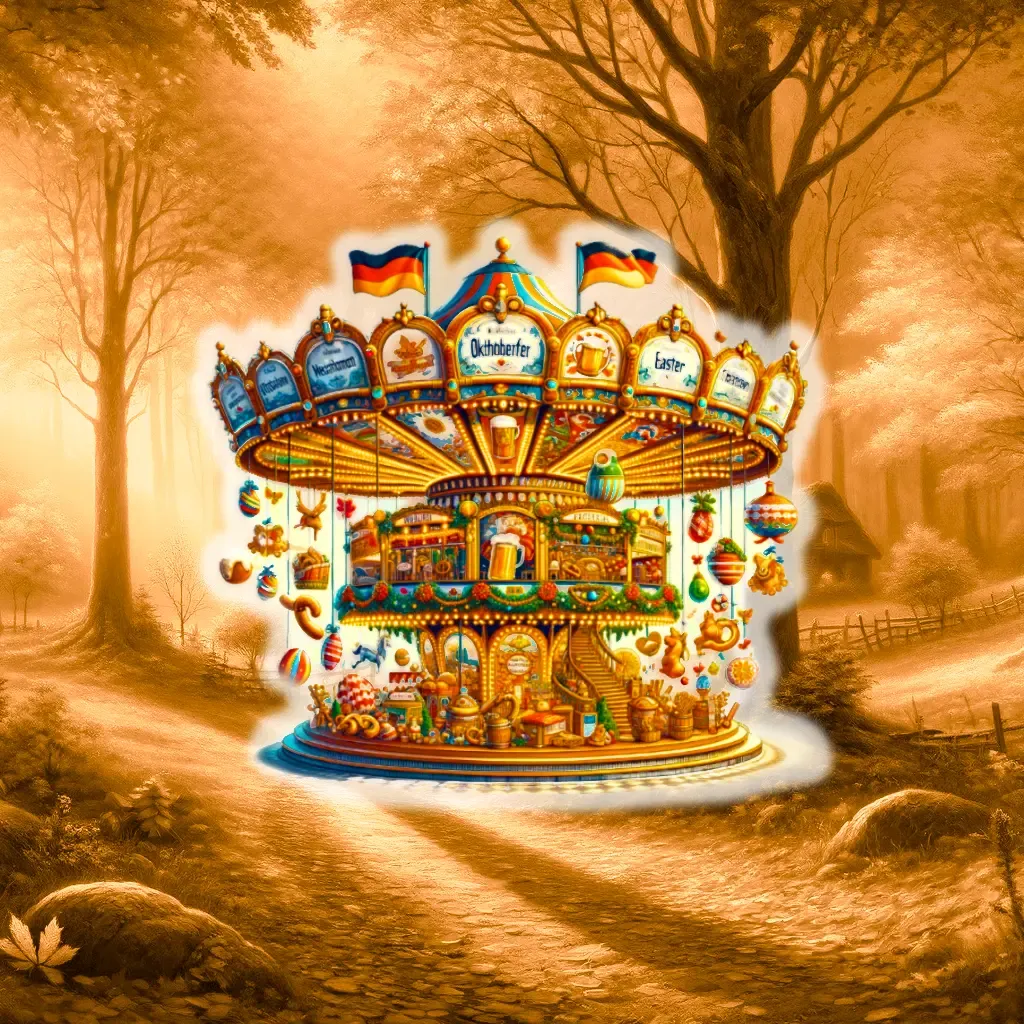
Popular autumn holidays in Germany in September, October, and November.